
ELEVATE YOUR BACKYARD
Covered Deck vs. Open Deck: Which Works Better for Birmingham Backyards?
Cahaba Outdoor • October 15, 2026

A covered deck is not automatically better than an open deck. The better choice is the one that supports how your family uses the backyard. A Birmingham homeowner who wants shaded lunches and a dependable place during light rain has different needs from someone who wants open sky, bright garden views, and flexible sun exposure.
Begin with your daily routine. Think about the hours you use the space, the direction of the afternoon sun, the view from inside, and where rainwater travels. Cahaba Outdoor's custom deck options can be planned as an open platform, a fully covered outdoor room, or a combination of both.
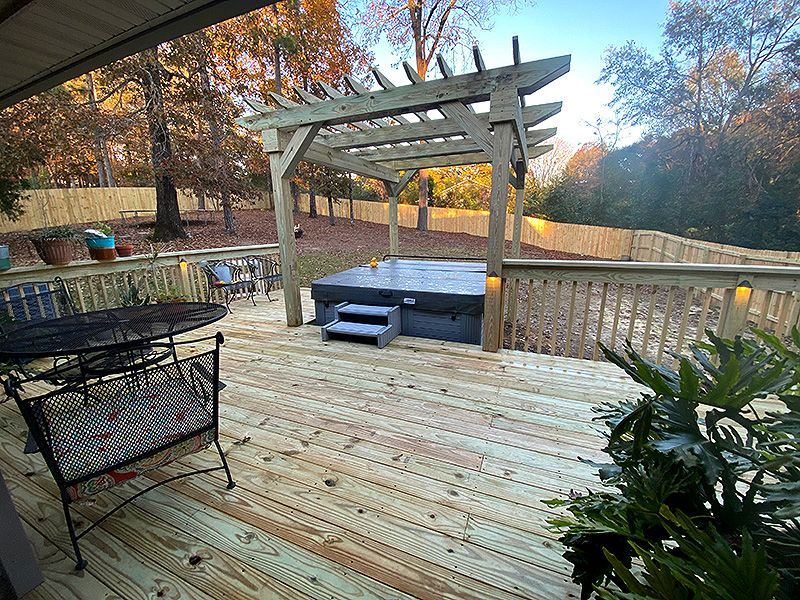
An open deck keeps the backyard bright and flexible
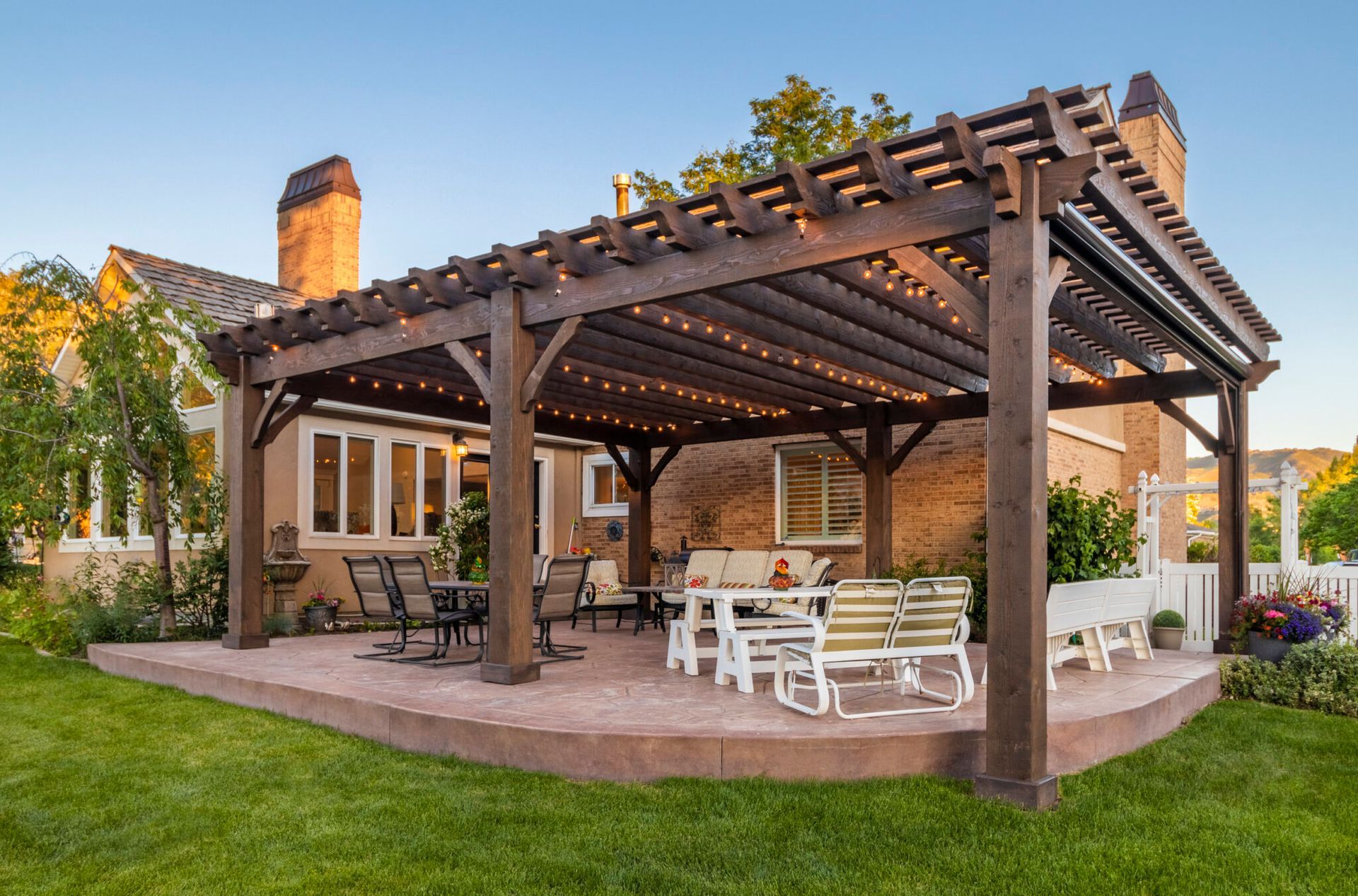
Open decks work well when sunlight, sky views, and a direct connection to the yard matter most. They can feel lighter beside a home and give you room to move seating, planters, or a grill as your routine changes. Tree canopy, umbrellas, or a pergola can add partial shade without creating a complete roof.
The tradeoff is exposure. Furniture, deck boards, and people receive more sun and rain. On hot afternoons in Hoover or Vestavia Hills, an unshaded surface may be less inviting until the sun drops. Choose furnishings for outdoor exposure and think about where cushions will go when weather changes.
A covered deck makes shade more predictable
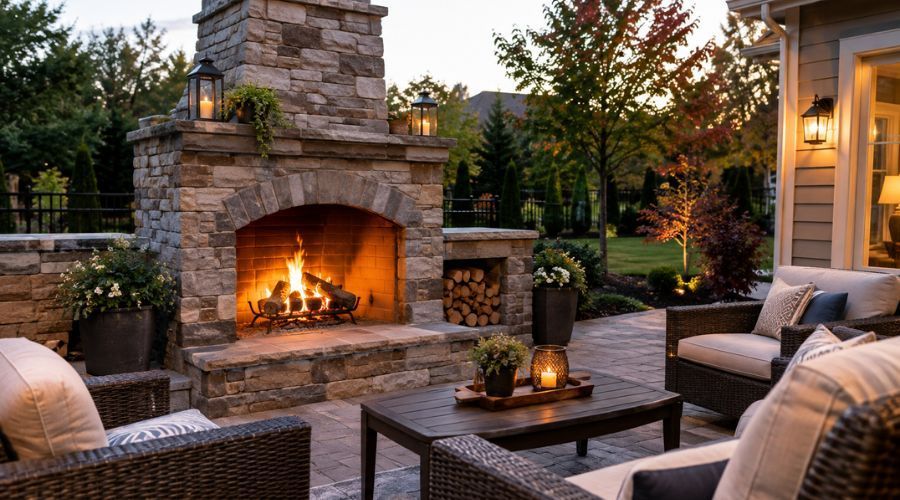
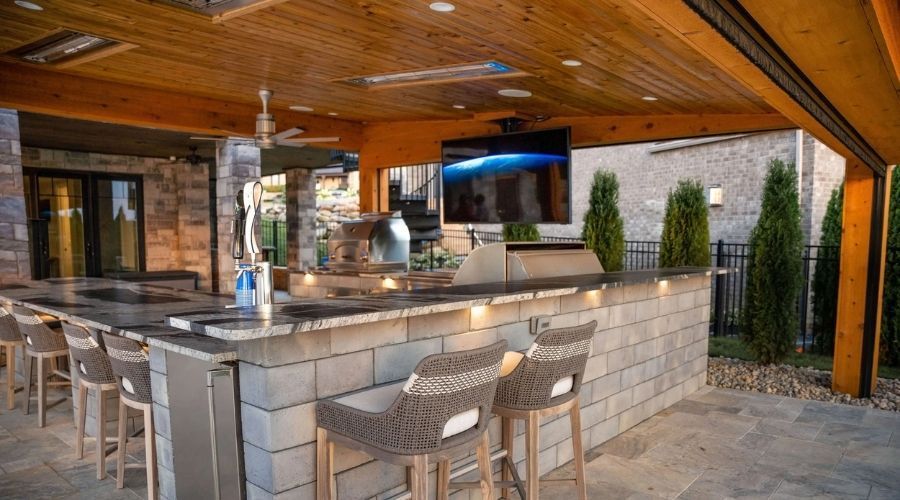
Covered outdoor structures create a defined place for dining, conversation, or an outdoor kitchen. A solid roof provides dependable shade and more protection from ordinary rain, which can make the space easier to use across more of the day.
The National Weather Service Birmingham climate overview describes long, hot summers, persistent humidity, abundant rainfall, and hilly terrain. Those conditions make shade, drainage, and roof runoff practical design questions. The U.S. Department of Energy's shade guidance also explains how well-placed shade reduces direct solar heat gain.
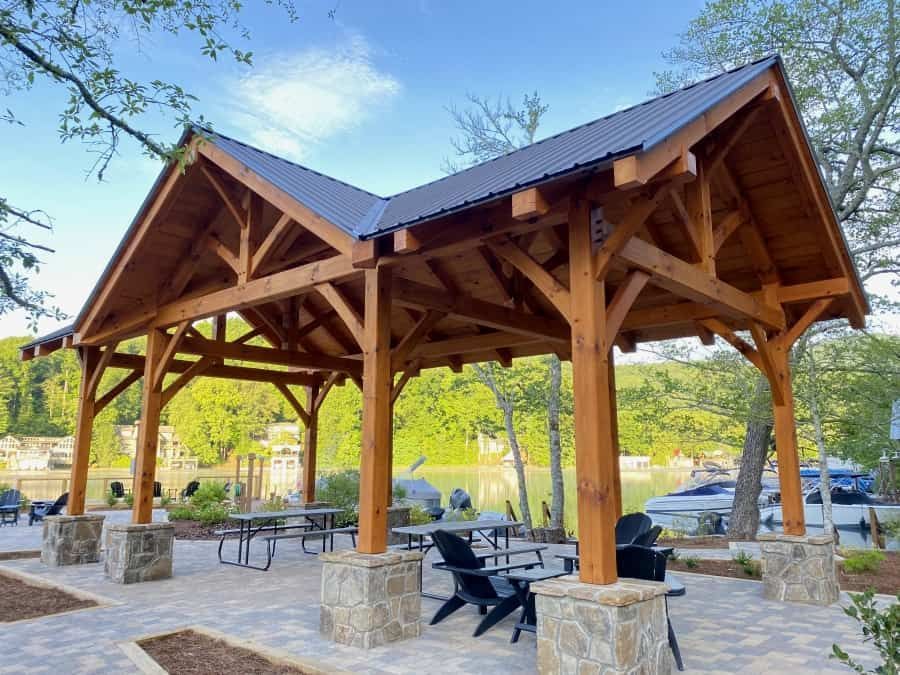
Do not forget indoor light, views, and water
A roof can change the daylight reaching nearby windows and doors. Stand inside the kitchen or living room and imagine the new roofline before finalizing the layout. A lower or deeper cover may create welcome shade, but it can also make an adjacent room feel darker.
Water needs a clear route away from the house and gathering area. Discuss how the new roof meets the home, where runoff will leave the roof, and how the deck connects to the grade below. An open deck also needs drainage between and below the boards, so neither choice removes water planning.
| Homeowner priority | Open deck | Covered deck |
|---|---|---|
| Sun and sky | Most exposure | Reliable shade |
| Light at nearby windows | Usually preserves more daylight | Depends on roof depth and direction |
| Furniture exposure | More sun and rain | More protected seating area |
| Backyard feeling | Open and connected | Defined outdoor room |
Match the shade plan to the hours you use the deck
Visit the proposed area in the morning, around midday, and late afternoon before settling on a roof. Notice where the strongest light falls on the seating area and which indoor windows already receive limited daylight. A cover aimed only at noon may not solve the low western sun that reaches an evening table, while a deep roof can affect a room that depends on afternoon light.
Write down the activities you want to keep comfortable: weekday coffee, weekend meals, children's play, reading, or watching a game. Then place those activities on a simple sketch. This turns a broad preference for shade into a practical conversation about roof depth, open zones, furniture locations, and the view you want to preserve.
- Mark the table and seating positions before deciding where the covered zone ends.
- Check whether an existing tree provides useful seasonal shade without relying on it as a roof.
- Keep frequently used walking routes open between the house, yard, and stairs.
A hybrid deck can offer both experiences
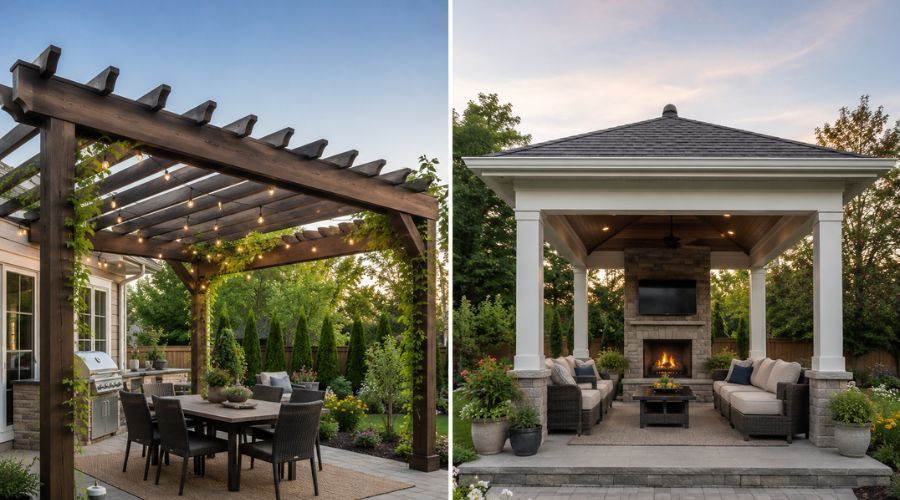
Many Birmingham backyards benefit from a covered zone beside an open zone. The roof can protect the dining table, while the open section keeps the grill, container garden, or sun chairs connected to the yard. A pergola can create a softer transition between them.
Four questions to answer first
- When does the strongest sun reach the planned deck?
- Do you need a dependable dining area during light rain?
- Which windows and backyard views should remain bright and open?
- Where will roof and surface water move after a storm?
Plan the boundary between covered and open space
The transition deserves as much thought as either zone. A dining chair should not sit where runoff, a roof edge, or a change in level makes it awkward to use. Think through how people will move between the kitchen door, table, grill, lawn, and stairs when the deck is busy. The layout should still work when every chair is pulled out.
Also decide where outdoor items will go when weather changes. A covered section can shelter some furnishings, but wind-driven rain and humidity still affect an outdoor space. Choose furniture and finishes for their actual exposure, follow product care guidance, and leave a convenient route for moving cushions or serving items inside.
- Keep roof runoff and surface drainage away from the main walking path.
- Preserve a clear view from the indoor rooms you use most.
- Reserve enough open area for the sun-loving activities you identified.
- Check appliance clearances and ventilation using the manufacturer's instructions.
Frequently Asked Questions
Is a covered deck always cooler than an open deck?
It provides dependable shade, but comfort also depends on airflow, roof height, orientation, nearby surfaces, and the time of day. Review the actual sun path before choosing the layout.
Can I add partial shade without building a full roof?
Yes. A pergola, selected tree canopy, or another shade feature can soften direct sun while keeping more sky and daylight. Compare how much shade each option creates at the hours you use the deck.
Should the grill go under the covered section?
Place cooking equipment according to the appliance manufacturer's clearance and ventilation instructions. Plan heat, smoke, grease, foot traffic, and weather exposure before fixing its location.
Design around the way you live outside
Walk through your preferred seating, cooking, and yard routes before choosing a roof. Cahaba Outdoor can help connect those routines with the sun, views, drainage, and outdoor living in Birmingham so the finished deck feels useful rather than simply larger.
- RECENT BLOGS -
BY outdoor professionals