
ELEVATE YOUR BACKYARD
7 Outdoor Living Mistakes to Avoid (Birmingham Guide)
Cahaba Outdoor • June 9, 2026

Common outdoor living mistakes include failing to plan for proper drainage, choosing materials that don’t suit the local Birmingham climate, and creating spaces that are either too small for furniture or lack a cohesive flow. Avoiding these pitfalls ensures your backyard remains functional, durable, and enjoyable for years to come.
Why do homeowners struggle with backyard improvements?
Starting a backyard transformation is an exciting journey, but it is often fraught with hidden complexities that many homeowners in Birmingham overlook. The primary reason for these struggles is usually a lack of a comprehensive, long-term vision. It is easy to get caught up in the beauty of a single feature—like a fire pit or a specific stone—without considering how that piece fits into the larger puzzle of your property.
Many homeowners treat their outdoor space as a secondary thought, whereas it should be treated as an extension of the home’s interior architecture. When you fail to account for the way you actually live, you end up with a space that looks great in photos but feels awkward or unusable in practice. Whether you are building Decks or installing new Patios (Bluestone, Flagstone, etc.) , the goal is to create a seamless transition between your indoor and outdoor lives. Understanding the common outdoor living mistakes is the first step toward avoiding a costly "do-over" and ensuring your investment adds genuine value to your property.
What are the most common outdoor living mistakes?
One of the most frequent errors we see involves the scale and proportion of the design. Homeowners often underestimate how much room is required for movement and furniture. For example, a dining table for six people needs more than just the space for the table itself; it needs at least three feet of clearance around the perimeter for chairs to be pulled out and for guests to walk behind them. When spaces are too cramped, the area feels cluttered rather than relaxing.
To avoid this, consider these key planning tips:
Measure your existing furniture before designing the space.
Map out "traffic lanes" to ensure clear paths between features.
Prioritize open floor space over too many small, disconnected areas.
Use string or spray paint to mark out the footprint on your lawn.
Think about the vertical space, not just the square footage on the ground.
By taking the time to visualize the layout, you can ensure that your Outdoor Living Features serve their intended purpose without feeling like an obstacle course.
Forgetting about Birmingham’s climate and shade
In Birmingham, we are blessed with beautiful springs and autumns, but our summers can be brutally hot and humid. A common mistake is building a beautiful south-facing patio or deck without any plan for Shade Solutions . Without proper coverage, your new outdoor living area might become a "no-go zone" during the peak afternoon hours.
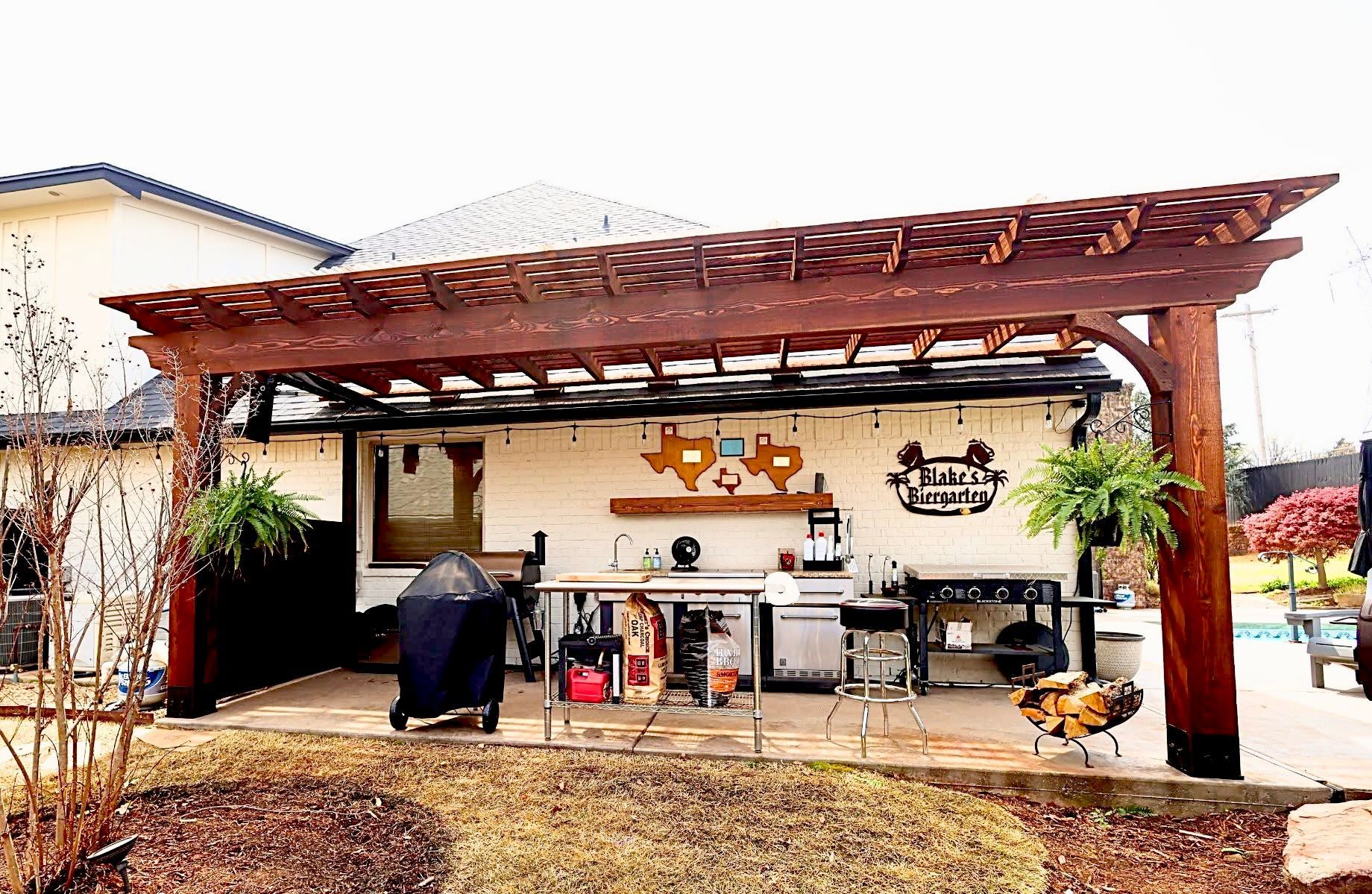
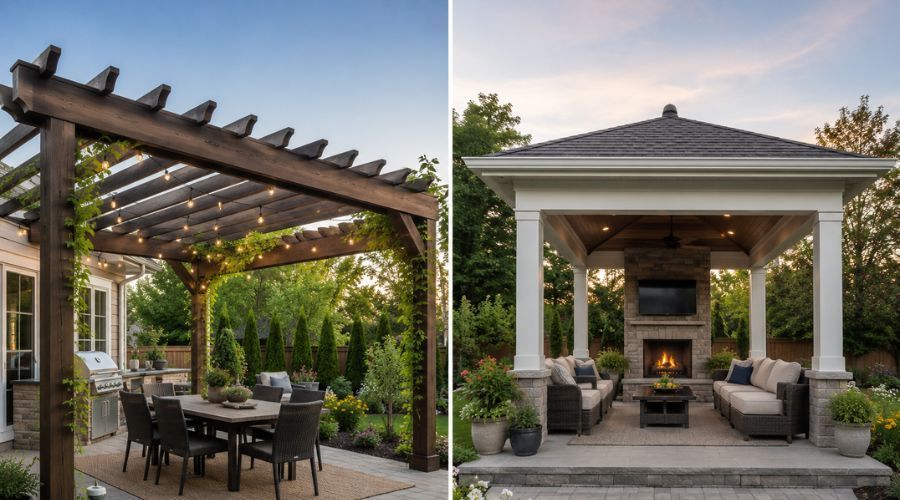
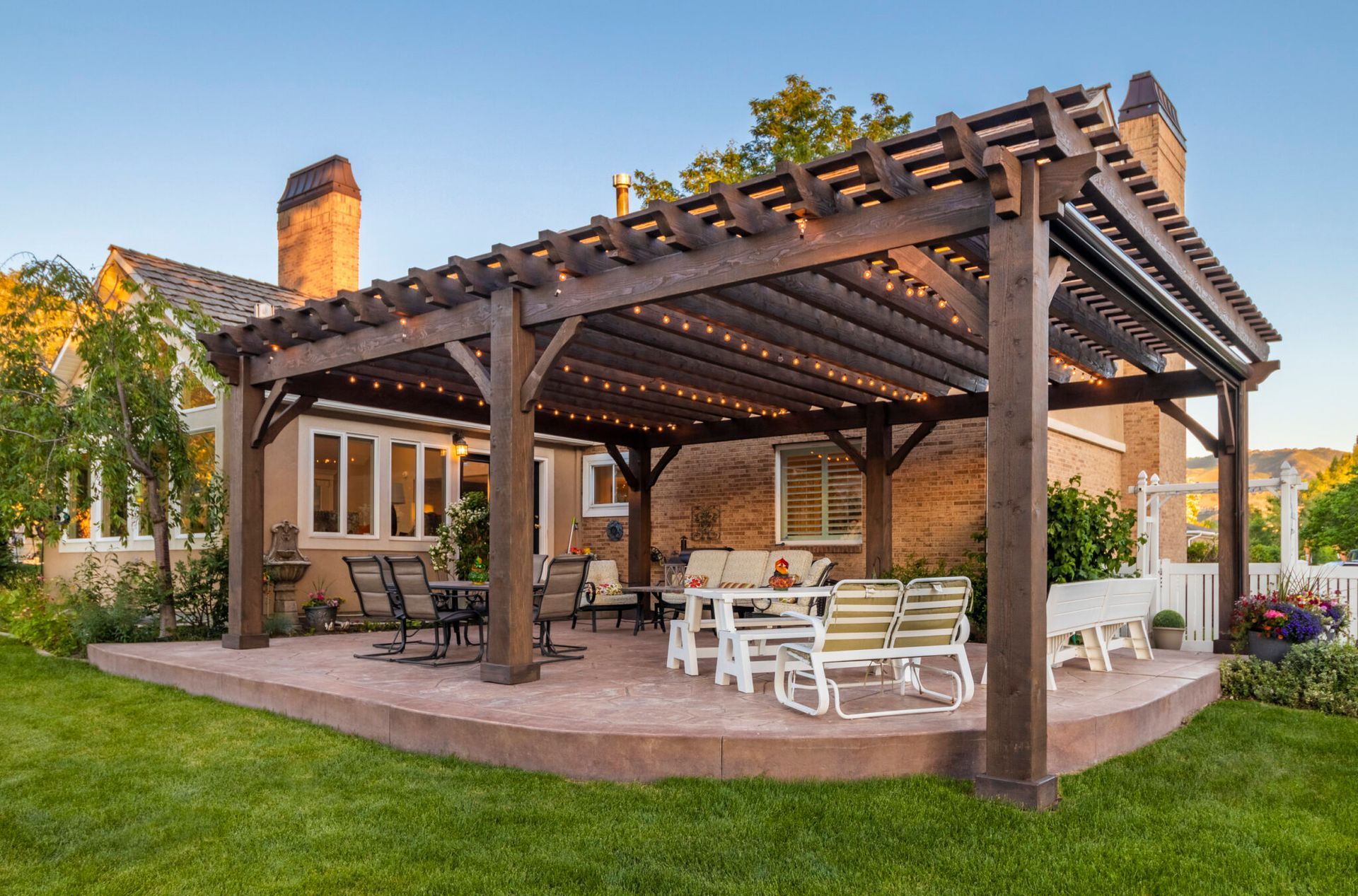
Many homeowners choose materials that absorb and retain heat, such as dark-colored composite decking or certain types of natural stone, which can become uncomfortable to touch in the direct sun. Incorporating Pergolas or Pavilions provides necessary relief from the sun and even protection from our sudden afternoon thunderstorms. If you want a space you can use year-round, you must account for the local weather patterns. This includes considering the direction of the wind and the angle of the sun at different times of the year.
How does poor drainage ruin a new patio?
Water is the single greatest enemy of any construction project, and outdoor living spaces are no exception. Birmingham’s heavy clay soil doesn't always absorb water quickly, leading to pooling and runoff issues. One of the most critical outdoor living mistakes is ignoring Drainage Solutions during the initial design phase.
If your patio or deck is not properly graded, water can collect against your home’s foundation or underneath your hardscaping. Over time, this leads to:
Sinking or shifting of pavers and stones.
Erosion of the soil supporting your structures.
The growth of mold and mildew on wood or stone surfaces.
Mosquito breeding grounds in standing water.
Damage to landscaping and garden beds.
Before you ever lay the first stone for your Hardscape & Masonry project, you must have a plan for where the water will go. This might involve French drains, catch basins, or strategic grading to ensure water moves away from both the new structure and your home’s foundation.
Choosing materials based on looks alone
It is tempting to pick the most beautiful stone or wood you see in a magazine, but not all materials are created equal when it comes to durability and maintenance. For instance, while natural Wood Decks offer a classic look, they require regular staining and sealing to withstand the Alabama humidity. Conversely, Composite Decks require much less maintenance but come with a higher upfront cost.
Similarly, when selecting stone for Concrete or masonry work, you need to consider slip resistance and porosity. A stone that looks stunning but becomes slick when wet is a safety hazard around a pool or near a Fire Pits area. Always ask about the long-term maintenance requirements of a material before you commit to it.
Is your outdoor furniture killing your space flow?
Even a perfectly designed patio can be ruined by the wrong furniture. A common mistake is buying furniture that is too large for the space, which restricts movement and makes the area feel small. Alternatively, some homeowners buy furniture in sets that don't match the actual way they plan to use the space. If you love hosting large dinner parties, a massive sectional couch might be less useful than a large dining table.
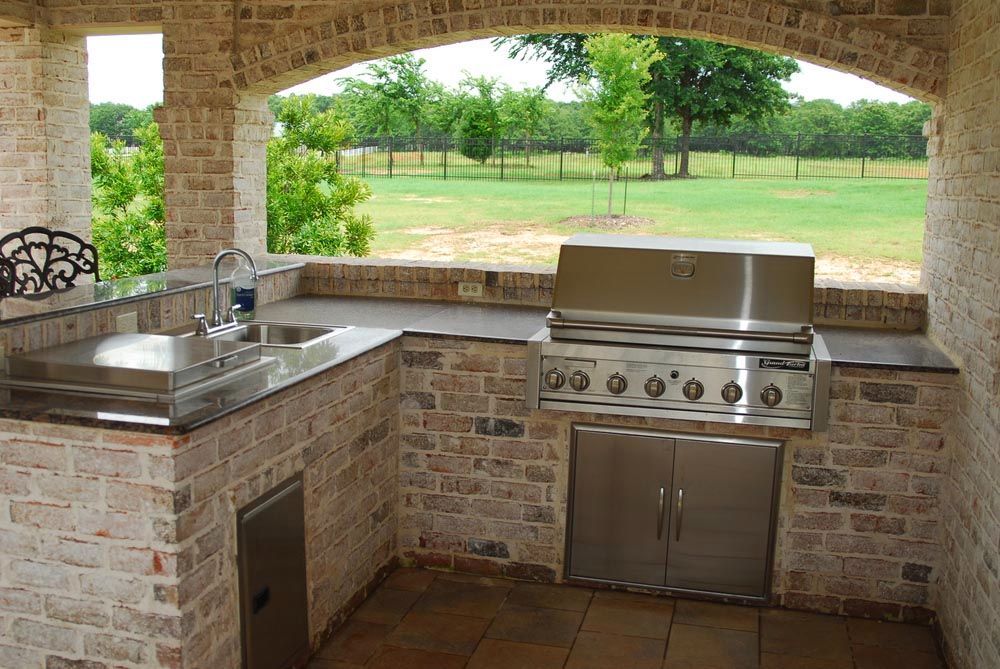
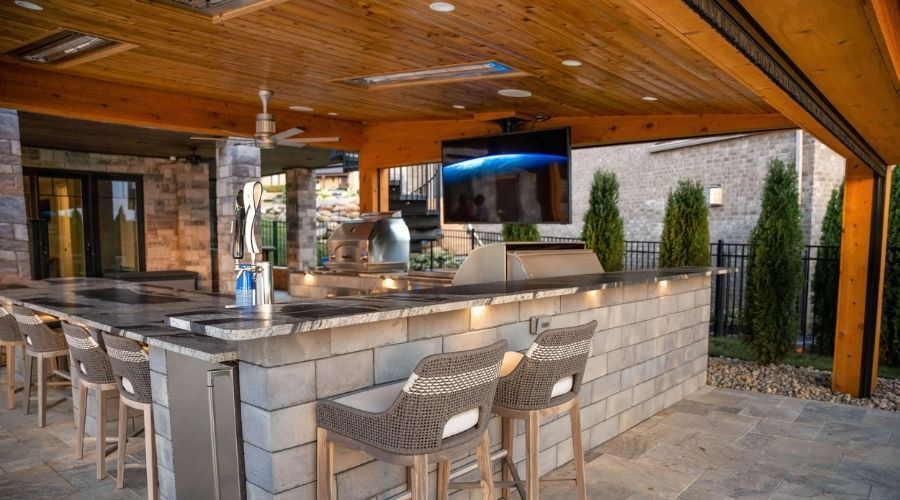
When planning your furniture, consider the "zone" approach. Create a zone for dining, a zone for relaxation, and perhaps a zone for cooking if you are installing Outdoor Kitchens . Each zone should have its own identity while still feeling part of the whole. This prevents the backyard from feeling like a random collection of chairs and tables.
The importance of proper lighting and irrigation
Many homeowners finish their hardscaping only to realize they can't see anything once the sun goes down. Proper Lighting is not just about aesthetics; it is about safety and extending the usability of your space. Pathways, stairs, and cooking areas all need functional illumination. Ambient lighting, such as string lights or low-voltage landscape lights, creates a warm and inviting atmosphere for evening entertaining.
Similarly, your existing Irrigation system often needs to be adjusted when you add new structures. We frequently see projects where a new patio is built directly over existing sprinkler heads, or the new Retaining Walls & Seating Walls block the water flow to established plants. Integrating your lighting and irrigation plans into the initial design prevents you from having to dig up your beautiful new lawn or stone work later on.
Failing to plan for future features
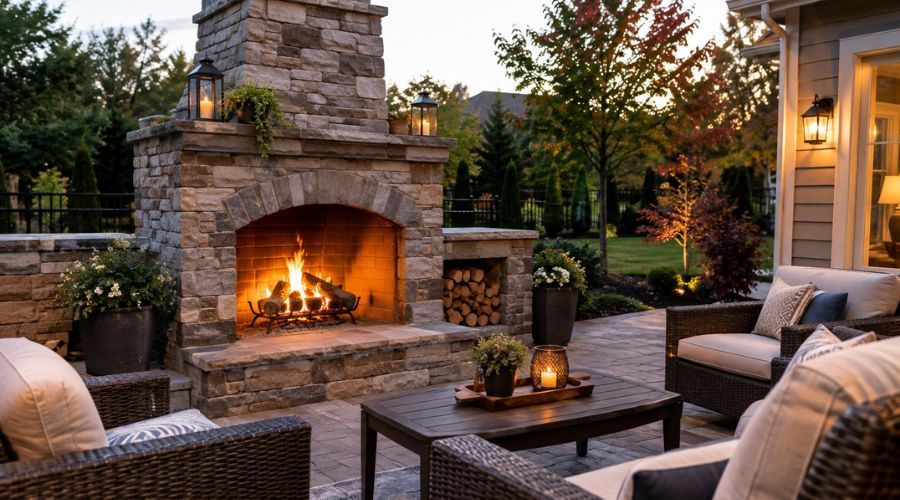
If you can’t afford your "dream backyard" all at once, that is perfectly fine. However, a major mistake is not planning for future additions. If you know you want an Outdoor Fireplace or a Screen Rooms in three years, you should run the necessary gas lines, electrical conduits, and structural footings now.
Planning for the future includes:
Installing conduit under patios for future wiring.
Reinforcing deck frames for a future hot tub.
Sizing Drainage & Landscaping to handle future runoff.
Positioning current structures to allow for future expansion.
Ensuring your Fencing allows for easy access for future construction equipment.
Retrofitting these elements later is significantly more expensive and invasive than installing the infrastructure during the primary construction phase.
How can I ensure my backyard project is a success?
To ensure your backyard project is a success, you must prioritize a cohesive design that balances functionality, local climate considerations, and long-term maintenance. Start by defining exactly how you want to use the space—whether for quiet family dinners or large neighborhood gatherings—and then build the design around those activities. Always work with the natural topography of your land to manage water runoff effectively and choose high-quality materials that can withstand the Birmingham heat and humidity. Finally, don't be afraid to consult with professionals who can help you see potential pitfalls before they become permanent mistakes.
Key Takeaways for a Successful Outdoor Living Project:
Prioritize Scale: Ensure there is ample room for both furniture and movement within each functional zone.
Manage Water Early: Never underestimate the importance of grading and drainage to protect your investment.
Design for the Sun: Incorporate shade structures like pergolas or pavilions to maximize summertime usability.
Think Long-Term: Choose materials based on their maintenance requirements and plan for future upgrades today.
Light the Way: Integrate safety and atmospheric lighting to make the space usable after dark.
If you are ready to transform your backyard without the stress of these common outdoor living mistakes, the team at Cahaba Outdoor is here to help. From custom decks to complete hardscape transformations, we focus on building spaces that fit your lifestyle and stand the test of time. Contact Us today to schedule a consultation and take the first step toward the outdoor living space you've always dreamed of.
- RECENT BLOGS -
BY outdoor professionals